1960
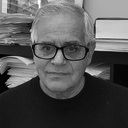
Aleksandr Moiseyevich Bograchev <Александр Моисеевич Бограчев> (1937-2025) completed his diploma and PhD (1970) theses in the Institute of Electrochemistry. His research topic was chemosorption and oxidation of propane on platinum. Later he worked in Niitekhim (НИИТЭХИМ), institution responsible for collecting and generalization of scientific information for the industry. He was mostly dealing with information on corrosion and metal protection.
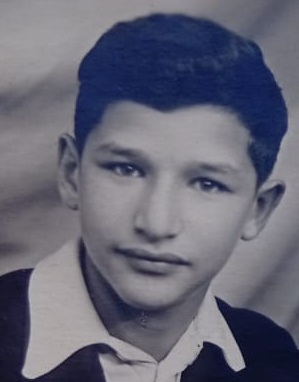
Kaleriya Mikhailovna Petropavlovskaya <Калерия Михайловна Петропавловская> worked in All-Union Institute of the reinforced concrete products and (ВНИИЖБ).
PhD thesis of Virginiya Dmitrievna Yukhtanova <Виргиния Дмитриевна Юхтанова> was also completed in 1960, related to the use of rotating disc electrode to determination of diffusion coefficients in respect to polarography. We do not know whether she was an intern or PhD student, who was her official thesis supervisor, where this thesis was defended, and we also failed to find her further affiliation and any activities. From her 1958 article in Doklady Akademii Nauk SSSR recommended by Frumkin one can conclude that she worked with A.I. Fedorova, and her goal was to determine diffusion coefficients of Cd2+, Тl+, Рb2+, and Zn2+ at to study the effect of supporting electrolyte concentration.
1961
Boris Ivanovich Podlovchenko and Elena Vital’evna Stenina (nee Yakovleva) continued at the Dept
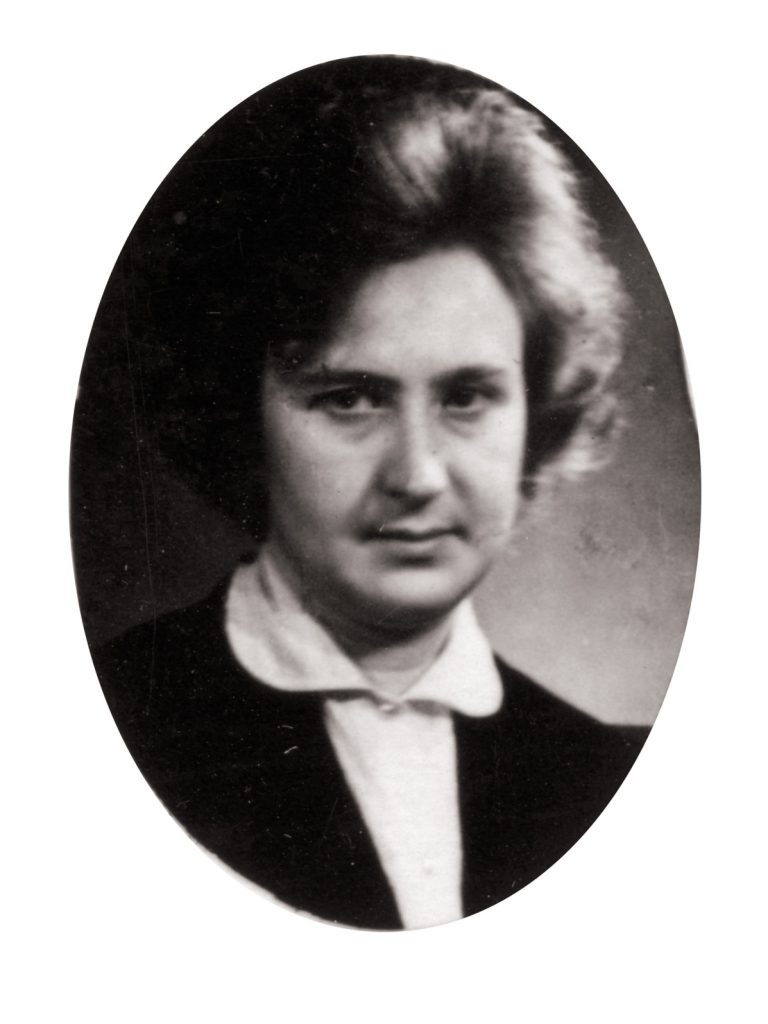
Svetlana Semenovna Beskorovaynaya <Светлана Семеновна Бескоровайная> completed her diploma thesis on [Cu(P2O7)2]6- anion reduction under supervision of N.V. Fedorovich and A.N. Frumkin, and obtained PhD from the Institute of Electrochemistry in 1966 for her studies of aliphatic alcohols adsorption and oxidation on platinum (she worked with Yu. B. Vassiliev and V.S. Bagotsky). Later she was employed in the Institute of Aircraft Materials (ВИАМ).
Valentina Aleksandrovna Mikhailova (nee Kabardina) <Валентина Александровна Михайлова (Кабардина)> was supervised by A.I. Fedorova, and worked in the Institute of Electrocarbon (ВНИИЭИ) after graduation.
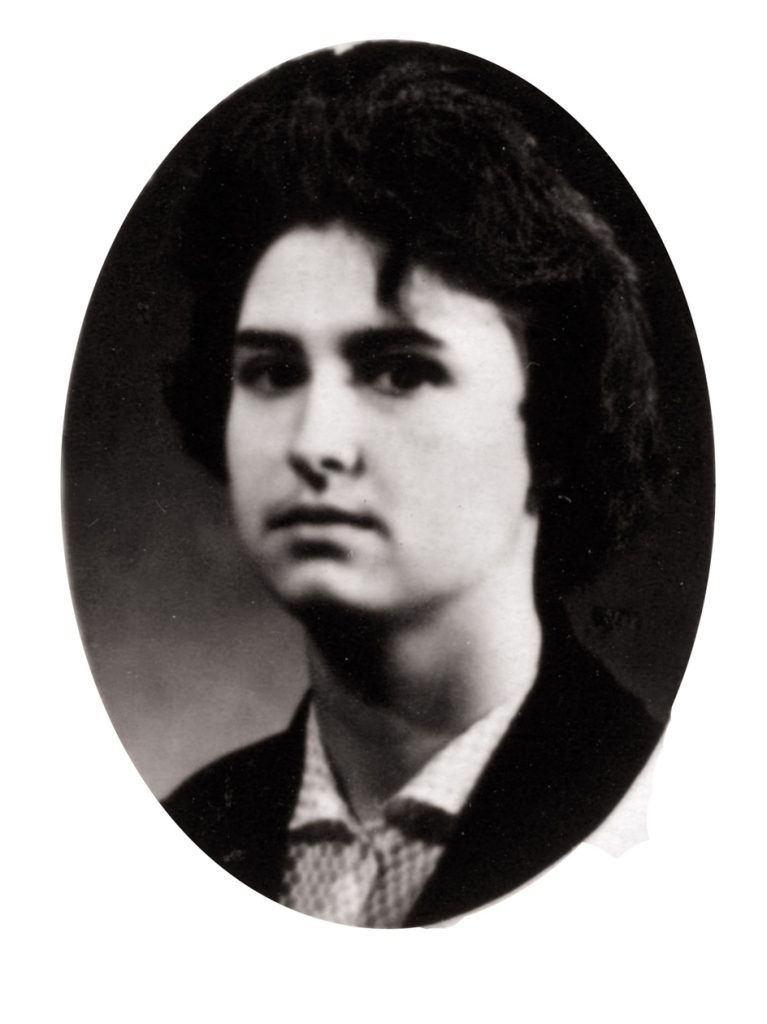
Oleg Stepanovich Zhdamarov <Олег Степанович Ждамаров> was a student of Z.A. Iofa. After graduation, he worked in Research Institute Organic Intermediates and Dyes (НИИОПиК). He completed his PhD in this institute in 1971, dealing with electrochemistry of anthraquinone derivatives. He continued with this type of reactants later, in respect to electrochromic and electroanalytical topics.
We should also mention Lyubov’ Trofimovna Shanina <Любовь Трофимовна Шанина>, the intern from Alma-Ata (Kazakhstan), who worked at the Dept for some period. Her 1961 PhD thesis defended in Kazakh State University addressed hydrogen ionization on platinum and palladium. Two articles included in her thesis were published in Doklady Akademii Nauk SSSR in 1960, as recommended by A.N. Frumkin.
One more PhD thesis was completed by Vladimir Filippovich Ivanov <Владимир Филиппович Иванов>, mentioned in the list of PhD students (but not diploma students) of Z.A. Iofa. His topic was reduction of Fe2+ and Ni2+ on mercury accompanied by amalgams formation and parallel hydrogen evolution.
1962
Nikita Borisovich Grigoriev, Galina Viktorovna Zhutaeva, and Evgeniya Ivanovna Khrushcheva worked in Frumkin Institute; Vera Moiseevna (Mikhailovna) Gerovich continued at the Department, and Anna Petrovna P’yankova was a member of non-permanent staff at the Dept for a long enough period.
Vladislav Semenovich Goglev <Владислав Семенович Гоглев>, no information about his professional life. We only know that he lived in Vologda, and his birthday was 1.12.1939.
Tatiana Aleksandrovna Damaskina was diploma student of Z.A. Iofa. After graduation, she worked in Karpov Inst on semiconductors corrosion, and then in the Institute of Physical Chemistry, where her PhD thesis on hydrogen sulfide corrosion and its inhibition was completed in 1973 under supervision of I.L. Rozenfel’d. After thesis defense, she was dealing with administrative work in Academy of Science offices and (presumably) in Oil and Gas institute (Gubkin Inst).
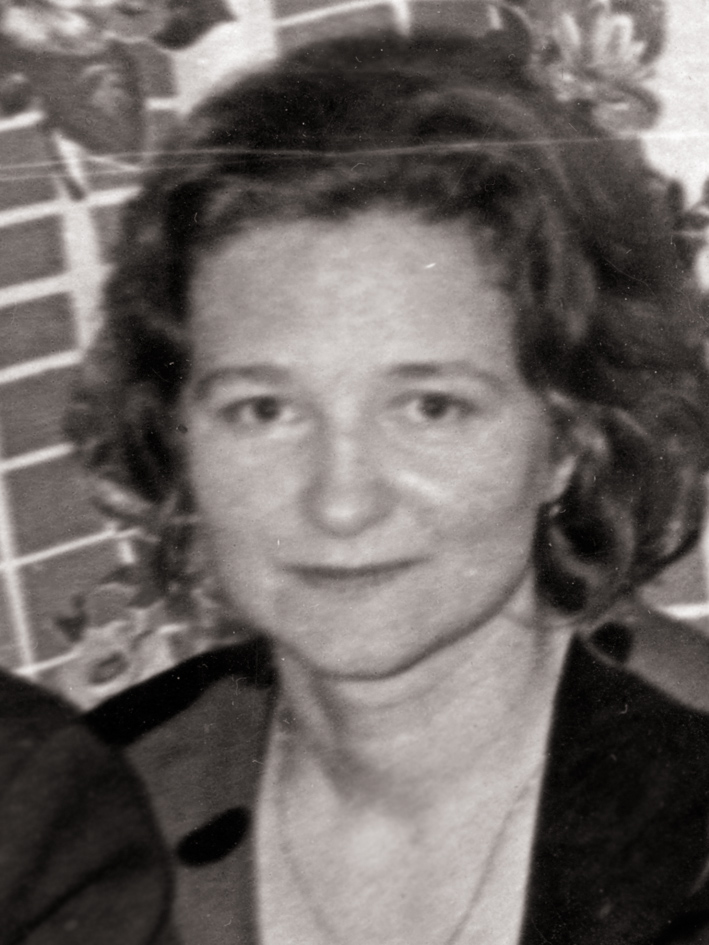
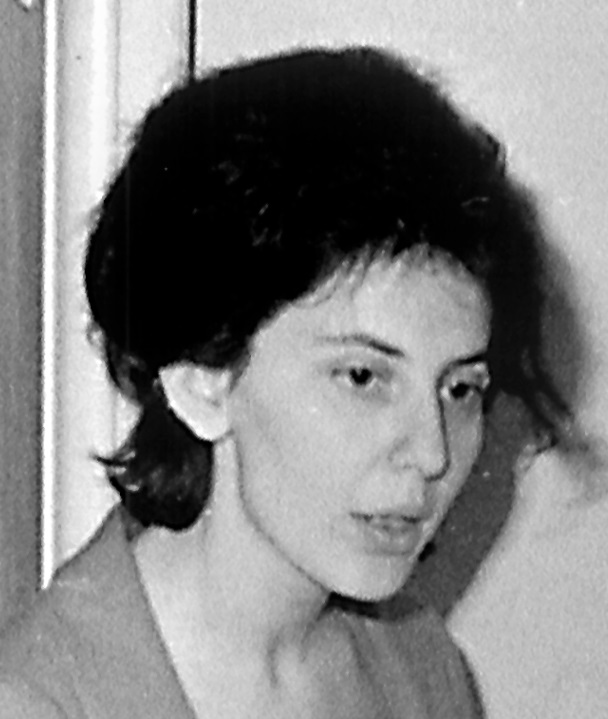
Valeriya Semenovna Dubasova (nee Entina) <Валерия Семеновна Дубасова (Энтина)> started from the study of copper pyrophosphates reduction with N.V. Fedorovich. During her PhD period at the Dept, she became a key person in Petrii’s pioneering Pt-Ru research in 1960s (1967 PhD thesis addressed Pt-Ru and Pd-Ru systems). She was affiliated with applied Electrocarbon Institute near Moscow during all her life, and worked on various power sources, starting from carbons for fuel cells inspired by space program. Starting already from 1970s, she developed lithium batteries with fluorocarbon electrodes, and later started with various types of lithium-ion batteries. She became widely recognized as high-level technological and scientific expert in this field soon, and supported active cooperation with Bagotsky’s Dept in Frumkin Inst.
Svetlana Vasilievna Rudenko (nee Kosenko) <Светлана Васильевна Руденко (Косенко)> completed her diploma study of methanol oxidation on palladium with G.A. Bogdanovskyi, and later worked in applied institutes specialized in photographic technologies. In her 1978 PhD thesis, the effects of surfactants on formation of photosensitive layers are studied, and she also has publications on various physico-chemical properties of gelatine gels.
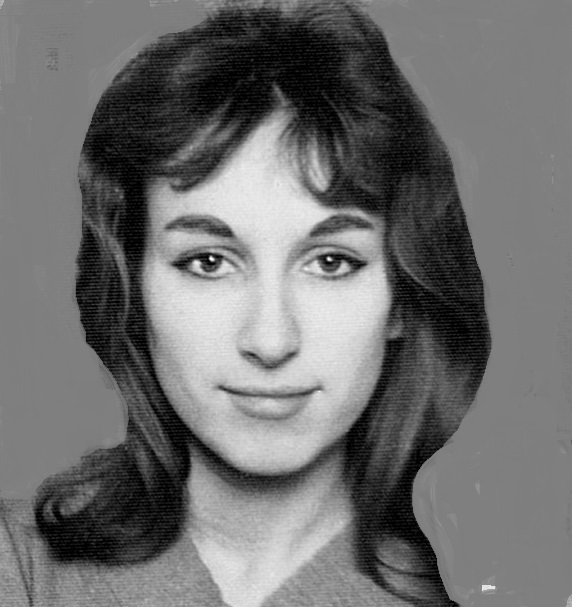
Two graduates from China are also mentioned in the Dept records, but we are not sure that transcriptions of their names are correct: Go Dun Li is mentioned as Z.A. Iofa’s diploma student, and Le Min’ Lapa as the student of R.I. Kaganovich, who studied cations effects on oxygen evolution. We shall continue to clarify the names.
1963
Svetlana Yakovlevna Vasina continued at the Dept, and Klara Aleksandrovna Radyushkina worked in Frumkin Institute
Lidiya Ivanovna Denisova <Лидия Ивановна Денисова> was diploma student of A.I. Fedorova, we have no information about her life and work after graduation.
Elena Petrovna Gorgonova <Елена Петровна Горгонова> worked with B.I. Podlovchenko. They studied electrochemical responses of platinum after methanol chemisorption, in order to characterize adsorbates. This work was published, but we now nothing about further work and fate of E.P. Gorgonova
Violetta Anatol’evna Gromyko (nee Makarova) <Виолетта Анатольевна Громыко (Макарова)> was diploma student of B.I. Podlovchenko, and later PhD student in Bagotsky’s lab in Frumkin Inst (1971 PhD thesis addressed methanol oxidation on smooth platinum and palladium). She remained very close to Yu.B. Vassiliev and V.S. Bagotsky team for many years, also when became affiliated with the Institute of Medical-Biological Problems (ИМБП), very specific institution assumed to support all biomed aspects of space flights. On behalf of this applied institute, jointly with Yu.B. Vassiliev and his colleagues, she arranged design and production of devices for electrolytic water treatment and for electrochemical analysis of impurities.
E.P. Lavrent’eva <Е.П. Лаврентьева> worked with N.V. Fedorovich, she studied chromate reduction on indium amalgam electrode, no further information.
Galina Borisovna Magnitskaya <Галина Борисовна Магницкая> was diploma student of L.N. Nekrasov, studying the effect of temperature and electrolyte concentration on diffusion coefficient of molecular hydrogen. After few years in Electrocarbon Institute she moved to the Library of Foreign Literature and worked as bibliographer in 1967-1974. Later she was dealing with technical and economical information for oil industry. She learned Japanese, and her main activities were translations of the technical literature from English and Japanese. She also served as an editor of specialized literature on oil refining and oil products.
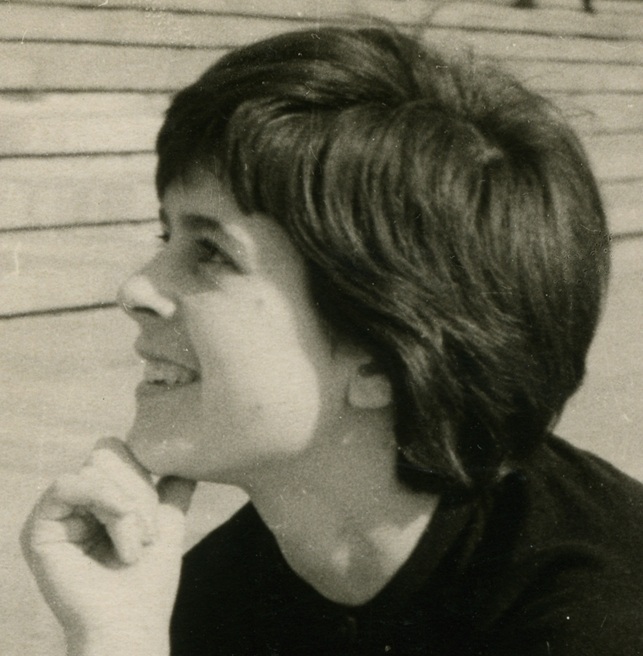
Tamara Gavrilovna Osotova <Тамара Гавриловна Осотова> completed the comparative study of fat acids adsrption on air/solution and mercury/solution interfaces. This work with participation of Vera M. Gerovich was supervised by R.I. Kaganovich and was published in 1964. We failed to find information about Osotova’s life and work after graduation.
Lyudmila Yur’evna Ponomareva <Людмила Юрьевна Пономарева> worked with N.T. Kudryavtsev after graduation, and defended PhD thesis of zinc deposition from pyrophosphate bath in 1977 in the Moscow Chemical-Technological Institute (МХТИ). Nothing is known about her activities later.
Vladimir Andreevich Shepelin <Владимир Андреевич Шепелин> worked in Karpov Institute up to late 1980s. He completed PhD thesis under supervision of V.I. Veselovskyi in 1968, it was a study of simultaneous oxygen reduction and hydrogen oxidation, and continued in the same lab, mostly with the processes at high anodic potentials. During the period of early post-comunist democracy, he switched to political activities, and surved as a deputy of the Moscow city council. Then he continued in energy-related company, dealing with the catalysts for gases combustion.
Margarita Kirillovna Vassilieva <Маргарита Кирилловна Васильева> was diploma student of Z.A. Iofa, no additional information at this stage.
Natalia Nikolaevna Voznesenskaya <Наталия Николаевна Вознесенская> found herself in polymer science when joined Karpov Institute after graduation. Her 1971 PhD thesis was devoted to oxygen- and sulfur-containing aromatic polymers. She was active at least up to late 1980s, working with various types of polymers for membranes. Her personal early life during Stalin period was strongly complicated by the fate of her father, widely known economist, who headed soviet State Planning Commission after WWII, was arrested under false charges, and shot in 1950.
Elena Petrovna Bibikova <Елена Петровна Бибикова> is also mentioned in 1963 graduate records, no any information.
Two PhD theses defended in 1963 should be also mentioned.
Boris Nikolaevich Rybakov (Борис Николаевич Рыбаков) worked with N.V. Fedorovich, and his thesis collected the data on various anions electroreduction on mercury, amalgams, and solid electrodes. In particular, he studied permanganate reduction. He worked in the field of corrosion on non-ferrous metals later. In 1970th, his publications can be found in Zashchita Metallov <Corrosion Protection> and Elektrokhimiya. In the latter journal, at least two articles resemble the previous works: hexacyanoferrate reduction on Te (6 (1972) 4420225) and Yb3+ reduction on Hg (8 (1972) 442-445). One cannot exclude that he moved to the Institute of Materials Engineering Problems in Kiev later.
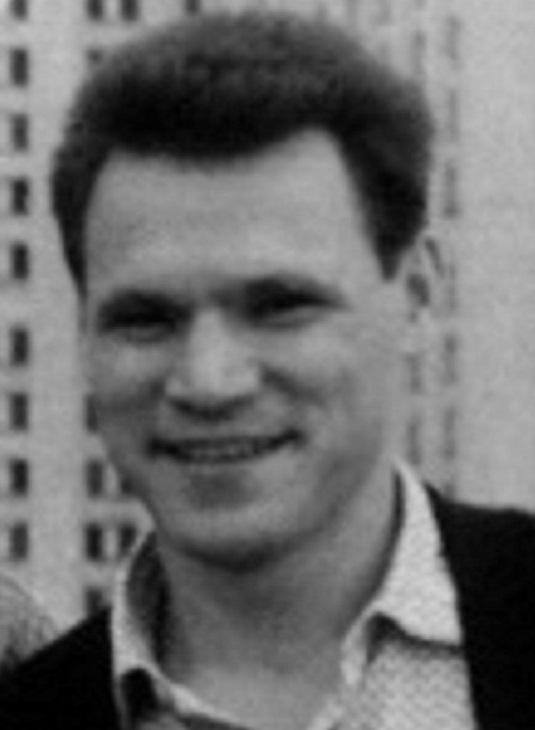
Lyudmila Dmitrievna Klyukina <Людмила Дмитриевна Клюкина> (1933-1975) was collaborator of S.G. Mairanovskyi, and studied the effects of adsorption on catalytic waves in polarography. She was initially affiliated with Frumkin Inst, and most probably she also worked as an intern at the Dept. B.B. Damaskin co-supervised her thesis.
1964
Konstantin Vitalievich Rybalka joined Frumkin Institute after graduation.
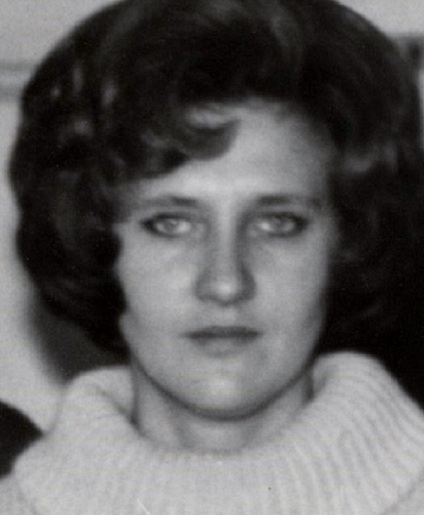
Yunona Aleksandrovna Batrakova (nee Kotlyar) <Юнона Александровна Батракова (Котляр)> (1938-2019) was supervised by Z.A. Iofa and worked on iron dissolution. Her PhD thesis (1970, co-supervised by V.V. Batrakov) addressed microstructural effects on iron electrochemistry and related adsorption phenomena. Later she was affiliated with Geological Faculty of Moscow Univ, and participated in the studies of chemical deposition/dissolution processes with participation of minerals. In 1985, jointly with M.S. Sakharova, she published a book on application of electrochemical techniques in the studies of natural mineral formation.
Nataliya Mikhailovna Genkina <Наталия Михайловна Генкина> worked with O.A. Petrii, no information about her later life and activities.
Vera Aleksandrovna Dagaeva <Вера Александровна Дагаева> and Tat’yana Andreyevna Ivanova <Татьяна Андреевна Иванова> studied oxygen reduction reaction. Their diploma research took place jointly or under supervision of V.V. Sobol’, most probably in Frumkin Institute. No later activities of both of them were found at this stage.
Tat’yana Borisovna Makarchuk <Татьяна Борисовна Макарчук>, diploma student of Z.A. Iofa, later worked at Moscow Mechanical Plant/Institute of Aircraft Materials (ВИАМ), in particular she worked together with L.I. Shubadeyeva (1959 graduate).
Larisa Akimovna Matyushenko <Лариса Акимовна Матюшенко> studied adsorption of fluoroorganic molecules (alcohols and acids) at air/solution and mercury/solution interfaces, under supervision of R.I. Kaganovich. We cannot exclude (but further confirmations are necessary) that she worked in applied Institute of Plastics.
Mariya Vasilievna Menyailova <Мария Васильевна Меняйлова> worked with B.I. Podlovchenko, nothing is found about her later life and work.
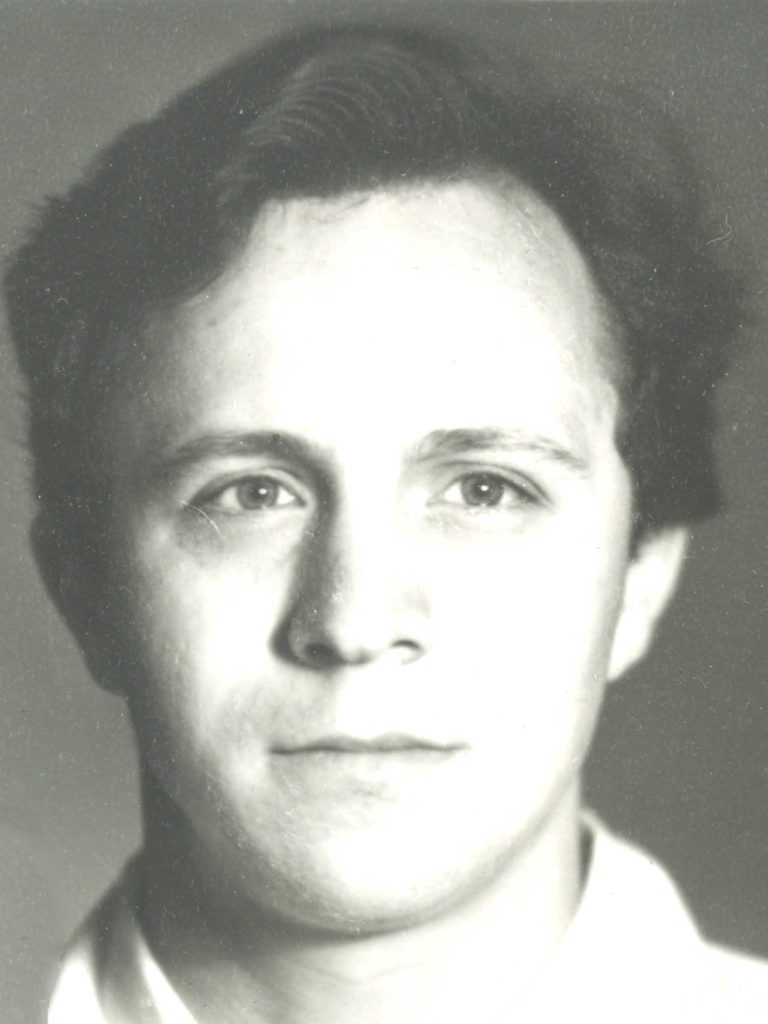
Valeryi Fedorovich Stenin <Валерий Федорович Стенин> worked with B.I. Podlovchenko and studied chemosorption of alcohols and carbon dioxide on platinum, in particular using radiotracer techniques in collaboration with V.I. Kazarinov (1968 PhD thesis). Later he moved to administrative work in the Academy of sciences/Ministry of education, and kept systematic contacts with Dept.
Arvydas Survila <Арвидас Антанович Сурвила> studied adsorption of organic substances on mercury, including temperature dependence, with B.B. Damaskin. After completing his PhD thesis in 1967, he returned to his native country Lithuania and worked in the Institute of Chemistry in Vilnus during all his life. <Name of the institute was changed later: Chemijos institute, then Chemijos ir cheminės technologijos institutas starting from 1992, and Fizinių ir technologijos mokslų centras from 2010.> His major direction can be formulated as electrochemistry of labile complex species formed by various metal ions (1985 DSc thesis and 1989 monograph available in Russian). This includes reduction kinetics complicated by complex solution equilibria and adsorption, and metals electrodeposition.
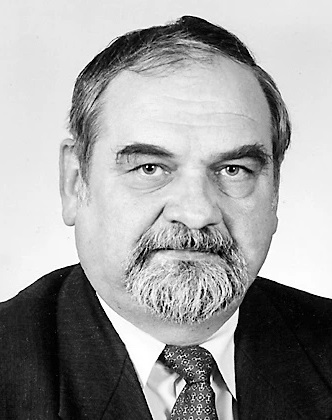
Nikolay Aleksandrovich Shchepot’ev <Николай Александрович Щепотьев> was diploma student of A.I. Fedorova. According to available pantents, he worked in applied defence-oriented institution in Balashikha (Moscow region) and participated in research for prevention of explosions and spontaneous combustion in the systems with liquid oxygen. A number of this patents and his 1978 PhD thesis show his polymer specialization because they present polymer compositions for the lubricants stable when contacting oxygen (mostly fluoroorganic substances). A couple of his articles can be found, the last one published in 1989 (no affiliation, but Moscow is indicated).
Four PhD theses were defended by foreign interns in 1964
Lothar Müller, supervised by L.N. Nekrasov, completed his PhD thesis on oxygen reduction using rotating disc platinum electrode with a ring. He woked in the Inst of Physical Chemistry belonging to Humboldt University in Berlin, and completed a series of works on anions electroreduction at solid electrodes. In particular, he studied oxohalide anions, and later moved to chlorine reaction. His contacts with Moscow people remained rather systematic, and he published a number of joint articles with B.I. Podlovchenko and O.A. Petrii in 1970s-1980s.
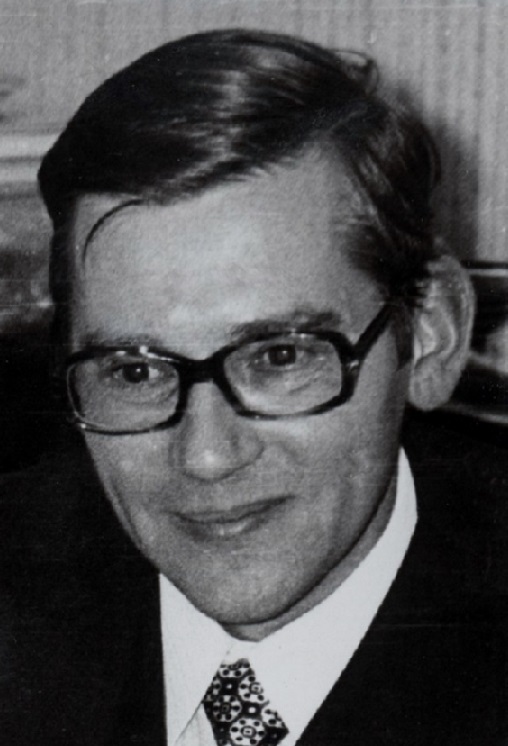

Ngok[c]-Ba [C]Ho from Vietnam worked with Z.A. Iofa and V.V. Batrakov, and completed her thesis on inhibition of iron dissolution/corrosion in acidic media. Her article in Electrochim. Acta. 1964. V. 9. P. 1645-1653 is widely known in corrosion science.
At this stage, we have no information about Rudolf Lerkh (PhD study supervised by B.B. Damaskin, organic compounds adsorption on mercury)
and about B[P]ao Min Wei (PhD under supervision of Z.F. Iofa, cobalt corrosion and its inhibition, published in Sov. Electrochem. 1966. V. 2. P. 699-702).
In three latter cases, the spelling of the names can be different.
1965
Inessa Efimovna Barbashova, Nina Dmitrievna Merkulova, Alla Aleksandrovna Mikhailova (nee Dmitrieva) and Galina Evgen’evna Titova worked in Frumkin Institute later. Tat’yana Mikhailovna Tarasova continued at the Dept.
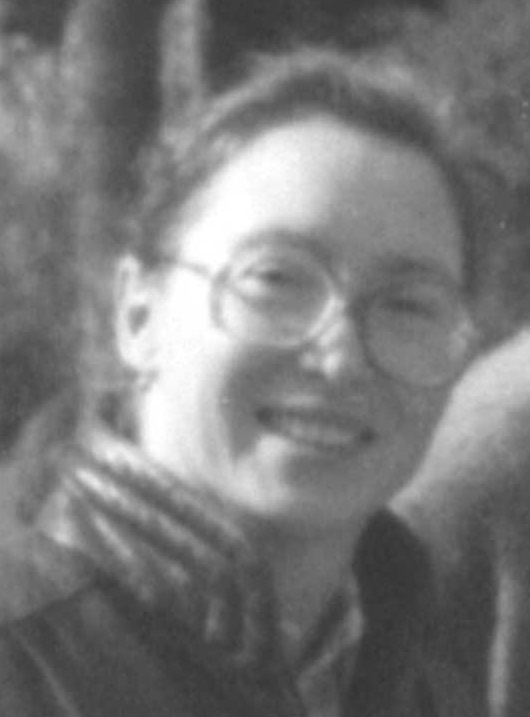
Ol’ga Yur’evna Gusakova <Ольга Юрьевна Гусакова> studied adsorption of non-polar organic molecules at air/solution and mercury/solution interfaces, under supervision of R.I. Kaganovich. During her PhD period, the topic was anions reduction as affected by adsorption of organic molecules, and she worked with N.V. Fedorovich. Her PhD thesis was finally defended in 1976. She was affiliated with the Institute of Power Sources, but we failed to find any publications or patents at this stage.
Viktor Dmitrievich Kalinin <Виктор Дмитриевич Калинин> was diploma student of O.A. Petrii, who managed to publish the results of this work on electrodeposited osmium electrodes 35 years later (Rus. J. Electrochem. 1999. V. 35. P. 627 – 634). Supposedly, V.D. Kalinin continued in the Institute of Light Alloys (ВИЛС) as corrosion scientist, mostly dealing with various aluminum alloys. This was his 1977 PhD thesis topic, and a number of articles can be found up to 2014.
Roza Gabdullaevna Karzhaubaeva <Роза Габдуллаевна Каржаубаева> returned to her native country Kazakhstan after graduation, and spent all her life at the Faculty of Chemistry and Chemical Technology in Kazakh State University [Farabi Univ nowadays], Alma-Ata [Almaty]. She always worked on various polymer topics. Her 1968 PhD thesis defended in her Univ addresses co-polymerization of phenyl acetylene with acrylic monomers.
Liliya Evgen’evna Rybalka <Лилия Евгеньевна Рыбалка> (1940-2025?) was diploma student of B.B. Damaskin, who stadied adsorption of aliphatic alcohols on mercury. During PhD period (1974 thesis), she worked with B.B. Damaskin and D.I. Leikis, the topic assumed the comparison of organic molecules adsorption on mercury and cadmium. We failed to find her publications or patents after a series of seven 1973-1975 articles in Elektrokhimiya related to her thesis.
Bella Girshevna [Grigor’evna] Podlibner <Бэ[е]лла Гиршевна [Григорьевна] Подлибнер> (1941-2009) worked with L.N. Nekrasov. Using rotating ring-disc electrode, she studied oxygen reduction on gold during her diploma period, and reduction of aromatic nitro compounds during PhD period. Her thesis was defended in 1971. The available articles present her data for nitro aniline and nitro ferrocene. Later she worked in Aktyubinsk [Aktobe] (North-western Kazakhstan), being associate professor in the local high school institution currently named Zhubanov University. The only publication of this period we could find addresses agricultural topics: poisoning of onion by chromium compounds. She is buried in Astrakhan’, city in Russia in 300 km from Aktyubinsk.
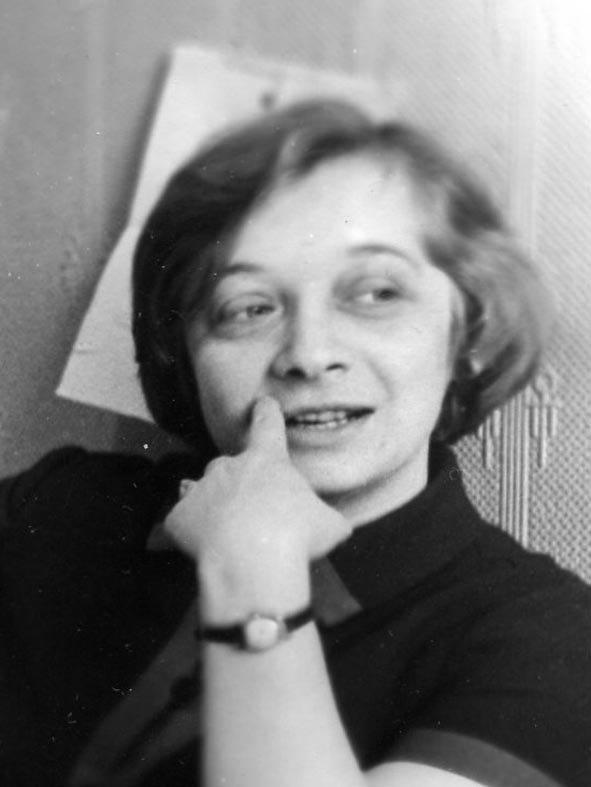
Fedor Fedorovich Red’ko <Федор Федорович Редько> (1943-2016) completed his diploma thesis in Karpov Institute. As we can judge from a series of two 1966 publications (Elektrokhimiya. 1966. V. 2. P. 1128-1137 and 1282-1290), his supervisor was Sabri O. Izidinov (1933-1995), a person from V.I. Veselovskyi’s lab, whose main topic was silicon etching. With Red’ko, Izidinov studied coupled (photo)electrochemical reactions occuring under conditions of silicon etching in HF-HNO₃ mixtures under illumination. There are very few indications of his further activities related to corrosion, and one meets silicon topic again in joint article with Izidinov (Zhurnal Prikladnoi Khimii. 1985. V. 58. P. 1724-1729). This article is affiliated with All-Union Electrotechnical Institute (ВЭИ).
No information about Galina Fedorovna Astakhova <Галина Федоровна Астахова>, Faina Matveevna Binshtok <Фаина Матвеевна Биншток> (various versions of her name can be assumed), Flora Konstantinovna Gil’manova <Флора Константиновна Гильманова>, Rimma Fedorovna Karysheva <Римма Федоровна Карышева>, Aleksandra Petrovna Mertsalova <Александра Петровна Мерцалова> (her work in Frumkin Inst is mentioned in Dept record, but there is no any independent evidence), Nina Mikhailovna Tsytsarkina <Нина Михайловна Цыцаркина>.
Two PhD theses were defended by non-graduates:
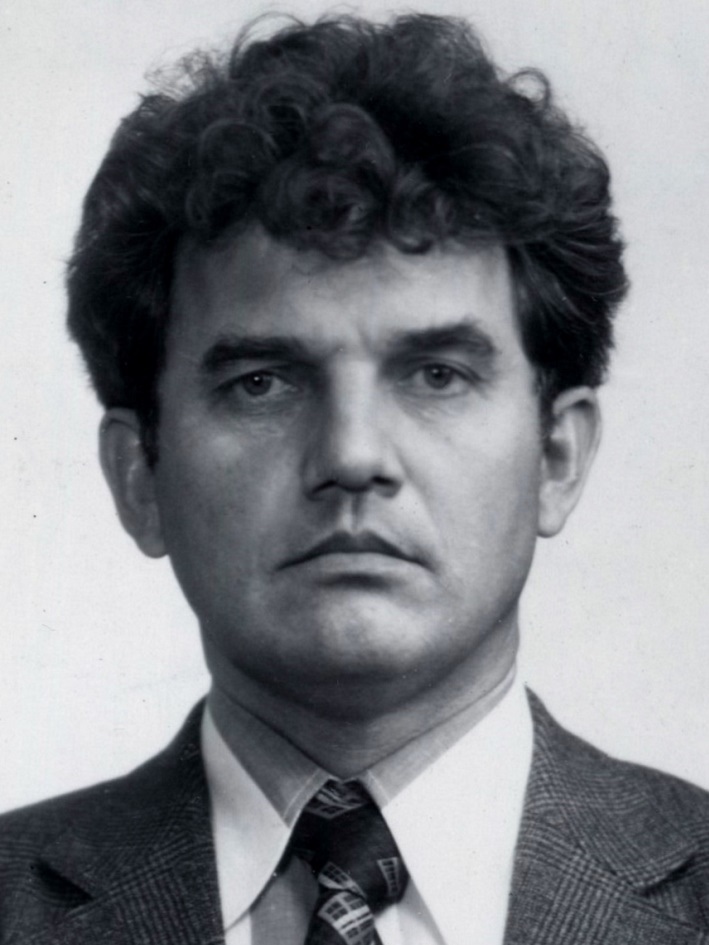
Vladimir Alekseyevich Kuznetsov <Владимир Алексеевич Кузнецов> worked with B.B. Damaskin and R.I. Kaganovich, his thesis was devoted to comparison of fluoroorganic compounds adsorption at air/solution and mercury/solution interface.
Vyacheslav Spiridonovich Temnov <Вячеслав Спиридонович Темнов> completed his thesis on catalytic hydrogenation of organic compounds in hydrogen adlayer, he worked with B.I. Podlovchenko. Later he teached physical chemistry in Polytechnical University in Tula (a large industrial city located 200 km from Moscow).
1966
Svetlana Yur’evna Volosova continued at the Dept, and Tamara Konstantinovna Zolotova joined Frumkin Institute
Nailya Khalimovna Ayupova <Наиля Халимовна Аюпова> completed her diploma study under supervision of B.B. Damaskin. She studied adsorption of n-butanol, phenol, and aniline on mercury in the presence of Tl+, i.e. under conditions of amalgam formation. This resulted in appearance of two maxima at electrocapillary curves, corresponding to Hg and Tl(Hg) potentials of zero charge. Her article in Elektrikhimiya. 1966. V. 2. P. 1480-1482 is co-authored also with M.M. Andrusev. No information about her further life and activities were found.
Natal’ya Ivanovna Dubrovina <Наталья Ивановна Дубровина> worked with L.N. Nekrasov, studying oxygen reduction on amalgamated gold in the presence of surfactants with the use of rotating ring-disc electrode, in non-aqueous solutions as well (1974 PhD thesis). She became bibliographer later, and worked in the central library of Moscow University. She is also known as an active participant of Oral History project, consisting in recording the memoirs of scientists from various fields.
Zhanna Nikolaevna Malysheva <Жанна Николаевна Малышева> started from the studies of platinum electrode in phosphoric acid solutions with O.A. Petrii and R.V. Marvet. Later she studied ionic adsorption on platinum and rhodium in the context of the interplay of ions and adatoms (1972 PhD thesis). She spent all her life in the Technical University in Volgograd (the former Tsaritsyn, a large industrial city at the South of European Russia), teaching physical and colloid chemistry, and authored numerous local textbooks. In mid 1970s, she had internship in Heyrovsky Institute in Prague, which resulted in her 1975 article with Z. Samec and J. Koryta.
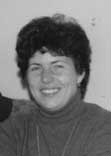
Valentina Tikhonovna Rysikova <Валентина Тихоновна Рысикова> worked with O.A. Petrii and V.S. Entina (later Dubasova). She studied methanol adsorption on electrodeposited Pt-Ru (published in Sov. Electrochem. 1967. V. 3. P. 669-672). We found that she participated in the studies of filtration processes in minerals at the end of 1960s, most probably at Geology Faculty. There is no further information.
Zhanna Timofeevna Solodovnikova <Жанна Тимофеевна Солодовникова> was diploma student of N.V. Fedorovich, no information about her further life and activities.
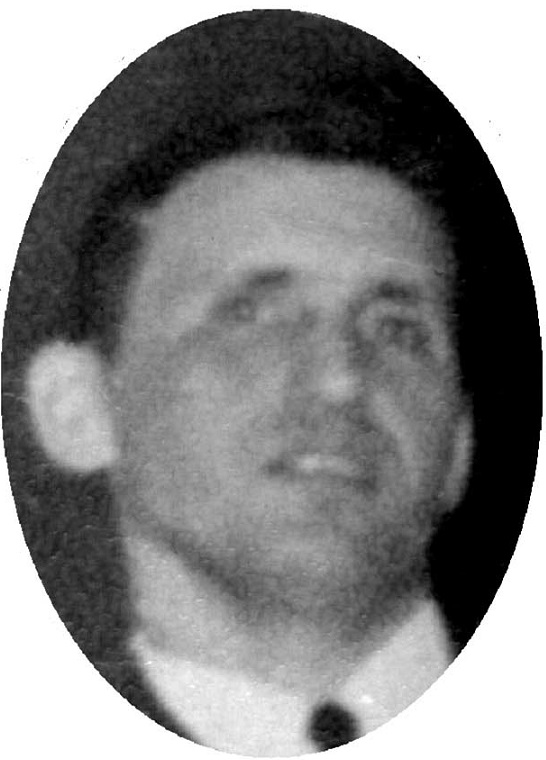
Igor Georgievich Shchigorev <Igor Georgievich Shchigorev> studied ionic adsorption on platinum under supervision of O.A. Petrii. His 1970 PhD thesis was devoted to the interplay of cations and hydrogen atoms adsorption. Then he worked on various topics in the Institute of Power Sources (ВНИИТ). Initially, he studied electrochemical convertors and memory devices (there are two articles in Elektrokhimiya. 1973. V. 9. P. 1225-1229 and 1230-1233, and a number of patents). Later he was involved into corrosion testing, alkaline batteries and supercapacitors reserach, and also was dealing with electroless metallization of dielectric materials.
Two PhD theses were defended by non-graduates:
Rein Marvet <Рейн Валентинович Марвет> (1937-2002) was Estonian PhD student of O.A. Petrii. He studied various aspects of hydrogen adsorption on platinum. After completing PhD thesis in Moscow, he returned to Tallinn and worked in Polytechnical Institute, inventing new types of electrochemical oxygen sensors. Rein is also widely known by “Frumkin portrait by Picasso”, which he and O.A. Petrii designed in 1965. In Estonia, he participated in various jazz-related activities. Already before 1960 in Tartu, he started as a pianist-improviser in various jazz groups, and served as co-organizer of jazz festival (a risky role, as juzz was strongly criticized by soviet authorities). Later he appeared on Estonian Radio syatematically. Here are a record of his story about jazz quartet “Tallinn-Tartu” (in Estonian) and of some music he performed.
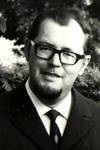
V.K. Venkatesan <Ванниур Кришнасами Венкатесан> was an intern of B.B. Damaskin, who came from Central Electrochemical Research Institute (Karaikudi, India) already having some publications. His PhD thesis was devoted to the effects of surfactants on various electrode reactions, the main results were later published in J. Electroanal. Chem. 1970. V. 25. P. 85-94. After return to his institute, he published on a wide variety of basic and applied topics, and was active up to mid 1990s.
1967
Lyudmila Aleksandrovna Reznikova and Viktor Vasilievich Topolev joined Frumkin Institute.
Inna Mikhailovna Ganzhina <Инна Михайловна Ганжина> was diploma student of B.B. Damaskin and R.I. Kaganovich, dealing with comparison of alcohols adsorption at air/solution and mercury/solution interface. Then, in 1971 PhD thesis, she presented “double layer” study for mercury in dimethyl sulfoxide. She was not active in research after PhD.
Aliya Amanturlievna [Y]Ekibayeva <Алия Амантурлиевна Екибаева> worked with B.I. Podlovchenko, they studied carbon dioxide adsorption on platinized platinum (1968 article in Elektrokhimiya). After graduation she returned to her native countly Kazakhstan and entered the Institute of Organic Catalysis and Electrochemistry in Alma-Ata (Almaty). With D.V. Sokol’sky and G.D. Zakumbaeva, she studied adsorption of dimethyl ethyl carbinol (tret-amyl alcohol) on platinum (1971 PhD thesis). Then she married a person from Riga, and was employed in the Latvian Experimental-Technological Institute of Construction. Her new research field became gypsum- and concrete-based compositions for fire resistant and construction materials. Her DSc thesis in engineering is mentioned in Kazakh sources, but we failed to find it (most probably it was completed after USSR collapse and written in Latvian).
Vera Leonidovna [Y]Erofeyeva <Вера Леонидовна Ерофеева> worked at Moscow Mechanical Plant associated with the Institute of Aircraft Materials (ВИАМ), and later in this institute, for at least 25-30 years. She published joint corrosion-related articles and patents with L.I. Shubadeyeva (1959 graduate).
Tamara Vasilievna Ivanova <Тамара Васильевна Иванова> worked with L.I. Krishtalik for certain period. One can find 1976 patent on metal oxide anodes for chlorine electrolysis, as well as some articles in Elektrokhimiya.
Heldur Keis <Хелдур Эдуардович Кейс> worked mostly with N.V. Fedorovich on anions ele troreduction (1973 PhD thesis), He is known as the co-author of the last Frumkin’s article on this topic, which collects the data for anions reduction on various metals, with discussion concentrated on the limitations of usual Frumkin correction and on the possibility of the local electrostatic contributions. After PhD period, H. Keis returned to his native country Estonia, and served as associate professor at the Dept of inorganic chemistry in Tartu University. His research (not very active) was related to electroanalysis.
[Y]Evgeniya Nikolaevna Potapova <Евгения Николаевна Потапова> was diploma student of L.N. Nekrasov. Later she completed her PhD thesis (1974) in Frumkin Institute, under supervision of I.A. Bagotakaya. They studied hydrogen evolution on gallium and on indium-gallium alloys. We have no information about her further activities.
Svetlana Nikolaevna Puchkova <Светлана Николаевна Пучкова> started to work in applied institution, which was later merged with the Institute of Chemical Reagents and Pure Chemical Substances (ИРЕА). We found her patentы on electrochemical fabrication of TeO2 and various salts, the last one is published in 1986.
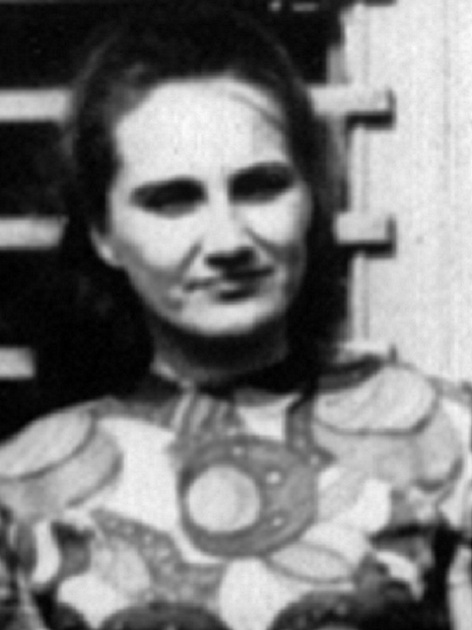
Hille Roolaid <Хилле Антсовна Роолайд> (1942-2016) transferred to Moscow University in 1964, after three years in Tartu University, and completed in 1967. During her PhD period, she studied germanium electrochemistry with Y.V. Pleskov (1974 PhD thesis). She worked in Armenian Institute of physiology for a long time, dealing with electric diagnostic techniques for ophtalmology. Hille returned to Estonia after USSR collapse and devoted herself to chemical education, teaching chemistry herself and also participating in creation of the programs for Estonian secondary schools. She also teached in Pedagogical University.
Vyacheslav Ivanovich Solomatin <Вячеслав Иванович Соломатин> was most probably involved into power sources-related activities, as one can judge from a single 1994 patent we were able to find. His affiliation is, presumably, Electrocarbon Institute (as one assume from the data for his co-authors).
According to Dept records, one more 1967 graduate was Boris Yur’evich Zaslavsky[i] <Борис Юрьевич Заславский>, who never worked in electrochemistry. His 1972 PhD thesis was on microcalorimetry of cations complexation with lysozyme protein (Institute of Natural Compounds Chemistry, currently Shemyakin-Ovchinnikov Inst (ИБХ)), and his 1985 DSc thesis addressed hydrophibicity of various (bio)molecules, (bio)polymers, and biological membranes (Nesmeyanov Institute of Elementoorganic Compounds (ИНЭОС)). He left for USA in the beginning of 1990s, worked in Argonne Lab and then in various bioanalytical companies. In some versions of CV, he indicates analytical chemistry as his starting specialization in Moscow University.
The following names can be found in 1967 Dept records: Galina Sergeyevna Balashova <Галина Сергеевна Балашова>, Lyudmila Ivanovna Kozhevnikova <Людмила Ивановна Кожевникова>, Tamara Georgievna Koroteyeva <Тамара Георгиевна Коротеева>, Tat’yana Vasilievna Solodukhova <Татьяна Васильевна Солодухова>. No any information abour them.
Mikhail Mikhailovich Andrusev <Михаил Михайлович Андрусев>, non-graduate, completed his thesis under supervision of B.B. Damaskin, with participation of N.V. Fedorovich. He studied adsorption of organic substances and their effect on cations (Zn2+, In3+) and peroxodisulfate reduction. After PhD, he worked in Frumkin Institute for certain period, and studied the adsorption of organic substances on silver with G.A. Tedoradze and A.B. Ershler. Later he became a kind of writer specialized in presenting scientific biographies of some famous Russian chemists in a popular form (for schoolchildren). We were able to find his books about Zelenskyi, Lebedev, Zinin, Beketov, and Menshutkin.
Another PhD thesis was defended by Mohammed Ali Mahbuba <Мохамед Али Махбуба>, who studied oxygen reduction on iron and coupled anodic processes in respect to corrosion, under supervision of Z.A. Iofa.
1968
Elena Aleksandrovna Kolyadko continued at the Dept.
Mikhail Vladimirovich Avramenko <Михаил Владимирович Авраменко> was diploma student of B.I. Podlovchenko, who later completed his PhD thesis in Timiryazyev Agricultural academy unde supervision of G.P. Khomchenko in 1975. His thesis addressed adsorption and electrocatalysis on rhodium alloys.
Svetlana Milent’evna Beniaminova <Светлана Милентьевна Бениаминова> worked with N.V. Fedorovich and E.V. Stenina, studying the effects of organic surfactants on anions electroreduction. After graduation, she joined Vernadskyi Institute of Geochemistry and Analytical Chemistry (ГЕОХИ) and worked with O.L. Kabanova (1945 graduate). She finally completed her PhD thesis in 1988 (inverse voltammetry for analysis of gold and silver on glassy carbon). Her later rare publications are affiliated with Frumkin Inst and related to applied aspects of power sources research.
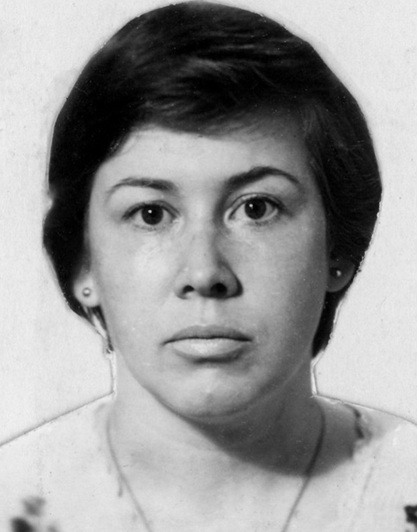
Irina Petrovna Gladkikh (nee Mishutushkina) <Ирина Петровна Гладких (Мишутушкина)> completed her diploma study of aniline and phenol adsorption on mercury with B.B. Damaskin, and then moved to the study of alkali earth cations on hydrogen evolution with V.N. Korshunov (1973 PhD thesis). She was later affiliated with Moscow Regional Pedagogical Institute, where she worked with German Nikolaevich Mansurov (the formed PhD student in Frumkin Inst). They studied electrochemistry of thin-film electrodes in respect to possible electronic size effects.
Lyudmila Alekseyevna Dukhanova <Людмила Алексеевна Духанова> worked with L.N. Nekrasov, using rotating ring-disc electrode to study oxygen reduction in dimethyl sulfoxide. We have no information about her further life and work.
Svetlana Ivanovna Kulakovskaya (nee Petrochenko) <Светлана Ивановна Кулаковская (Петроченко)> first studied coumarin adsorption on mercury with B.B. Damaskin, and then the anions reduction on various metals with participation of N.V. Fedorovich (1975 PhD thesis). Later she moved to the Institute of Problems of Chemical Physics in Chernogolovka (Moscow region) and participated in various electrochemical activities, including redox-mediated catalysis, organic electrochemistry (with in situ ESR detection of intermediate radicals), and electrode kinetics on carbon nanotubes based materials.

Nadezhda Nikolayevna Nefedova <Надежда Николаевна Нефедова>, presumably, worked in Ivanovo Chemical-Technological Institute. This follows from very few articles and patents on galvanic copper deposition, which she co-authored (the latest of these sources is published in 1974).
Natal’ya Alekseyevna Kondratova <Наталья Алексеевна Кондратова>, Vera Mikhailovna Mitrokhova <Вера Михайловна Митрохова> are also listed in Dept records, no any information about them.
One PhD thesis was also defended by Alina Mikhailovna Kossaya (nee Tsibulevskaya) <Алина Михайловна Коссая (Цибулевская)>, non-graduate. She was supervised by Yu.M. Tyrin and O.A. Petrii, and studied adsorption on rhodium electrode. She became co-author of Frumkin’s 1968 article. From available publications and patents (the latest are dated 1991), we know that she worked for a short time on ion-exchange membranes (presumably, in Obninsk sub-division of the Karpov Inst), and later moved to more applied defence-oriented place, where she was dealing with purification of industrial gases.
1969
Viktor Alekseyevich Safonov continued at the Department
Natal’ya Aleksandrovna Borovaya <Наталья Александровна Боровая>, the student of B.B. Damaskin, studied surfactants adsorption on mercury in the context of intermolecular interactions in adlayer (PhD 1972). There is no any professional information beyond three articles in Elektrokhimiya she published during PhD period.
Alexey Borisovich Grigor’ev <Алексей Борисович Григорьев> worked with V.N. Korshunov. No further information, one cannot exclude that he worked on polarographic analysis for pharmacy for some time.
Mil[l]iana Kroumovna Kaisheva <Миляна Крумова Кайшева> (1945-2003) worked with B.B. Damaskin and R.I. Kaganovich, studying adsorption of aromatic compounds on mercury from dimethyl sulfoxide solutios (1974 PhD thesis). Then she returned to her native country Bulgaria, and worked successfully in Sofia University. The studies of adsorption on electrodes were continued, involved the adsorption of large surfactants molecules, and extended to formation of liquid films. In parallel, she worked on electrodeposition and electrochemical/electrophoretic co-deposition. She had various international collaborations and worked in a number of foreign laboratories (Japan, USA, Belgium).
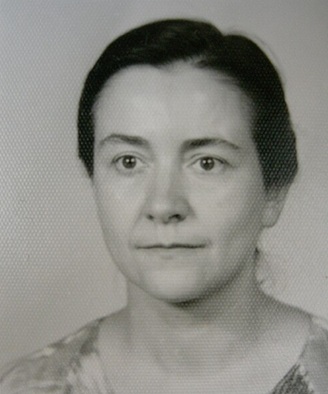
Valeriya Davidovna Kovalevskaya <Валерия Давидовна Ковалевская> joined Frumkin Institute after graduation, but hardly for a long time. We managed to find only one 1975 article with R.Kh. Burshtein and A.G. Pshenichnikov (on the hydrogen adsorption on porous nickel).
Larisa I. Mishchenko (nee Sinyegina) <Лариса И. Мищенко (Синёгина)> completed her diploma work under supervision of N.V. Fedorovich; there is no information about her later life and work.
Arkadyi Ivanovich Sidnin <Аркадий Иванович Сиднин> was Batrakov’s student, who studied adsorption phenomena affected by the interfacial crystallographic orientation of zinc electrode (1972 PhD thesis). It seems that he never worked in research after PhD.
David Naumovich Soshchin <Давид Наумович Сощин> (1946-2013) completed his diploma work with L.N. Nekrasov. He was affiliated with “Tekhenergokhimprom”, which was applied corporation working out the procedures and equipment for chemical industry. Soshchin’s patents allow one to conclude that he was modtly dealing with the core inorganic technologies (sulfer- and phosphor-related processes).
We have no any information about Galina Petrovna Kaverina <Галина Петровна Каверина> and Alla Vladimirovna Skitovich <Алла Владимировна Скитович>, also mentioned in 1969 records.
The following non-graduates completed PhD theses at the Dept.
Hanna Avad Gamil <Ханна Авад Гамиль> worked with Z.A. Iofa and V.V. Batrakov, and studied electrochemical and corrosion behavior of cobalt in acidic media. We have no information about further fate of this foreign intern.
Anatolyi Denisovich Korsun <Анатолий Денисович Корсун> completed his thesis on unstable intermediate species formed in the course of aldehydes and ketones reduction. He worked with L.N. Nekrasov, and his basic technique was rotating ring-disc electrode, but ESR and UV-vis spectroscopies were also applied. Shortly after thesis defence, he was involved in the studies of electrochemical oxidation of chlorophyll and detection of the resulting radical-cation. This we know from three articles published in 1972-1973 with Vernadskyi Institute of Geochemistry and Analytical Chemistry (ГЕОХИ) affiiation. No signatures of later research activities are found at this stage.
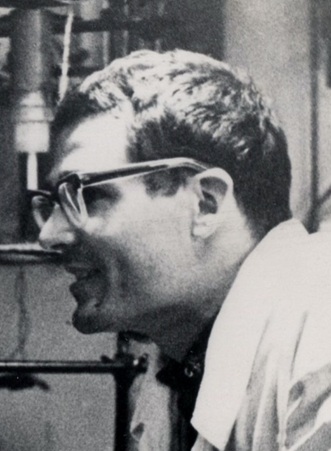
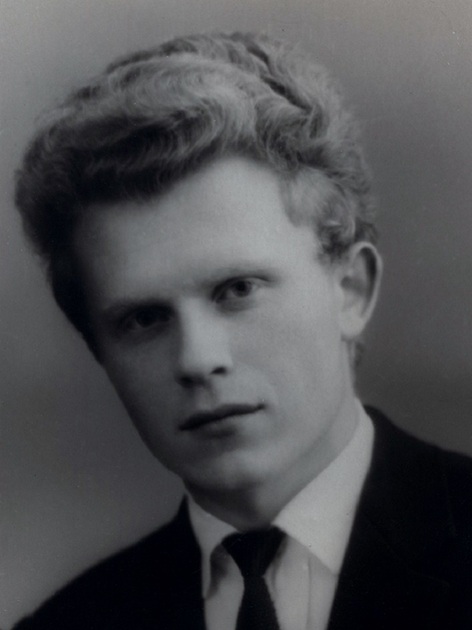
Yuryi Grigor’evich Kotlov <Юрий Григорьевич Котлов>, with O.A. Petrii, studied adsorption phenomena on platinum and rhodium using isoelectric potential shifts. After thesis defence, he worked as corrosion scientist in applied oil-related institution in Kiev. Some of his arricles and patents are co-authored by S.G. Polyakov, 1972 graduate. They both accented applcation of electrochemical techniques in corrosion tests. Yu. Kotlov also had collaboration with well-known electrochemist L.I. Antropov from Kiev Polytechnical Inst. The last Kotlov’s patent we found (1999) is submitted from his home address, most probably after retirement.
Svetlana Yakovlevna Lanina <Светлана Яковлевна Ланина> completed her thesis under supervision of Z.A. Iofa. She studied hydrogen evolution on copper, as well as copper electrode oxidation. Presumably, she came from Ivanovo Chemical-Technological Institute (1964 patent related to nickel plating on aluminum, rsearch topic of Yu.Ya. Lukomskyi). We failed to discover her professional development after PhD unambiguously.
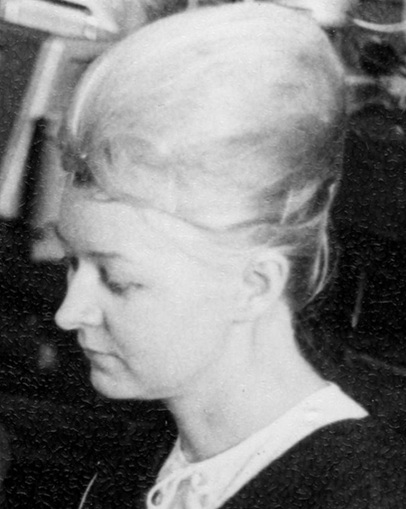
Fouad Hasan Saleh <Фуад Хасан Салех> studied the effects of organic molecues on iron dissolution and corrosion, under supervision of Y.A. Iofa. No further information about him.
For the following graduates of 1960s, graduation year is still not identified.
T.A. Nesterenko <Т.А. Нестеренко>, graduate of Z.A. Iofa, who co-authored conference article at 14th CITCE Meeting (1963) on the effect of anions on corrosion inhibitors.
Emma Semenovna Bit-Popova <Эмма Семеновна Бит-Попова> worked with R.I. Kaganovich and co-authored the article on adsorption at air-solution interface published in 1961 (submitted in July 1961). It was hardly possible in case of 1963 graduation indicated in some records.